
Level up my projectStart
Back to Field Notes

Field NotesChapter 04 · Who does what, and when?Rooftop Amenities4 min read

6 THINGS ARCHITECTS MUST KNOW ABOUT ROOFTOP AMENITIES (PART 1)

designing rooftop amenities utah, green architects utah, rooftop amenity design utah, utah landscape architect, landscape architect utah, green roof design utah, amenity architects utah As part of our blog series “The Value Rooftop Amenities Bring to Architectural and Development Projects”, in this installment we shine a light on the positive impact of including top-notch rooftop amenities in residential developments. Not too long ago, amenities offered in condominium buildings were pretty much limited to indoor pools and a generic "party room". Now, with the size of the apartments shrinking during the last few years, high-end tenants are looking for outdoor spaces – ranging from landscaped terraces and spas to rooftop solariums - to enhance their living experience. Consequently, architects and developers are creating lifestyles, not simply condo units. If you just arrived to this blog series, you might want to follow it from the beginning. FOLLOW THE SHORTCUTS: Part 1: 5 Rooftop Amenities That Offer The Best ROI For A Multifamily Property Part 2: How Rooftop Amenities Maximize Return On Residential Properties Part 3: Transform Your High-End Property Into A Magnet With “Wow” Rooftop Amenities Part 4: Want To Boost Value On Your Development Project? Add Rooftop Amenities! Part 5: The Impact Of High-Level Rooftop Amenities On Property Value And Revenue Part 6: How Rooftop Amenities Will Enhance Your Property Investment In Utah Part 7: Attracting High Quality Tenants To Your Mixed-Use Development Project Part 8: Catering To Millennial Renters With Resort-Style Rooftop Amenities New Call-to-action ROOFTOP AMENITIES ACTUALLY SELL! The premise that rooftop amenities have a positive impact on the value and profitability of a high-end residential property derives from the fact that people frequently are willing to pay a premium to live in a building that offers some out-of-the-world amenities at the very top of the building. Given the increasing importance of such communal spaces, developers and architects have been catching on to the trend, and wooing their chosen market with glitzy, glamorous rooftop features as a way to attract and retain tenants. Here are some of the ways adding rooftop amenities to your high-end residential tower will impact on property value and profitability: 1. Overall property value increase Having a resort-style pool, a fully-equipped fitness center, or a dog park on the roof will increase the value of your property because they can attract more high-profile tenants who are willing to pay above market prices for added comfort, convenience and socialization features in their rental property. High-paying tenants are good for multiple reasons, but two stand out above the rest. First off, they bring in more revenue, which positively impacts your bottom line; and secondly, on-site amenities increase value and return on mixed use market rate. 2. Command higher rents By adding premium amenities to your development project, you will be able to target higher-end tenants and command higher rents. This is because these tenants are more than willing to pay more if it amounts to enjoying luxury comforts. Think about it: Wouldn't you appreciate being able to go upstairs to a rooftop deck or garden to enjoy some outdoor time? Or, just imagine if you could do your daily workout right upstairs, and drop your child at a play area right next to the exercise room! 3. Gain leverage for sales Rooftop amenities have become one of the biggest unique selling points for any residential development. Most certainly, a well-planned suite of rooftop amenities will increase your project’s market attractiveness. As well, rooftop amenities can become the social focus of the tenant community, and serve a noble purpose well beyond adding value to the building and selling units faster. 4. Improve tenant retention For new high-end residential apartment complexes, rooftop amenities matter significantly in both attracting tenants and improving tenant retention rates. Rooftop amenities are increasingly important to the tenant who lives in one of your 400 square foot studios, serving as an extension of their own home. In addition, these features enhance tenants’ living experience by providing a sanctuary among the hustle and bustle outside. These quality of life bonuses make residents feel valued, and more likely to stay longer! 5. Rise above the competition You have a great property for rent in a prime location in Salt Lake City, but you’re not the only one out there. What can you do to make it stand out from the others? Nowadays, it’s all about rooftop amenities; those top-notch extras that add more value to an apartment in the eyes of potential tenants. In fact, a rooftop amenity is more than just a way to stand out from the competition on an Internet search. They exert an almost gravitational pull on prospective buyers and tenants. 6. Appeal to millennials Millennials are the demographic group that both architects and residential developers really ought to attract. Not only is the millennial generation “the green generation,” but they are also less eager to buy a home and get locked into a mortgage. Because many of them prefer renting today, they understand that this typically means no garage and no yards. By giving them some of the benefits that these things offer through rooftop amenities, you are sure to increase ROI for your residential development overtime. IN CLOSING Architects and developers should think twice before shooting down the idea of adding a rooftop terrace, a dog park or a children's play area for fear it might be too expensive. Incorporating a unique suite of rooftop amenities to your residential project offers numerous benefits to both residents and investors. They will improve the quality of life of residents, and also increase the value and profitability of the property. A landscape architecture firm versed on green roof and amenity design can advise and help you design the kind of resort-style amenities that will bring you the greatest return on your investment.


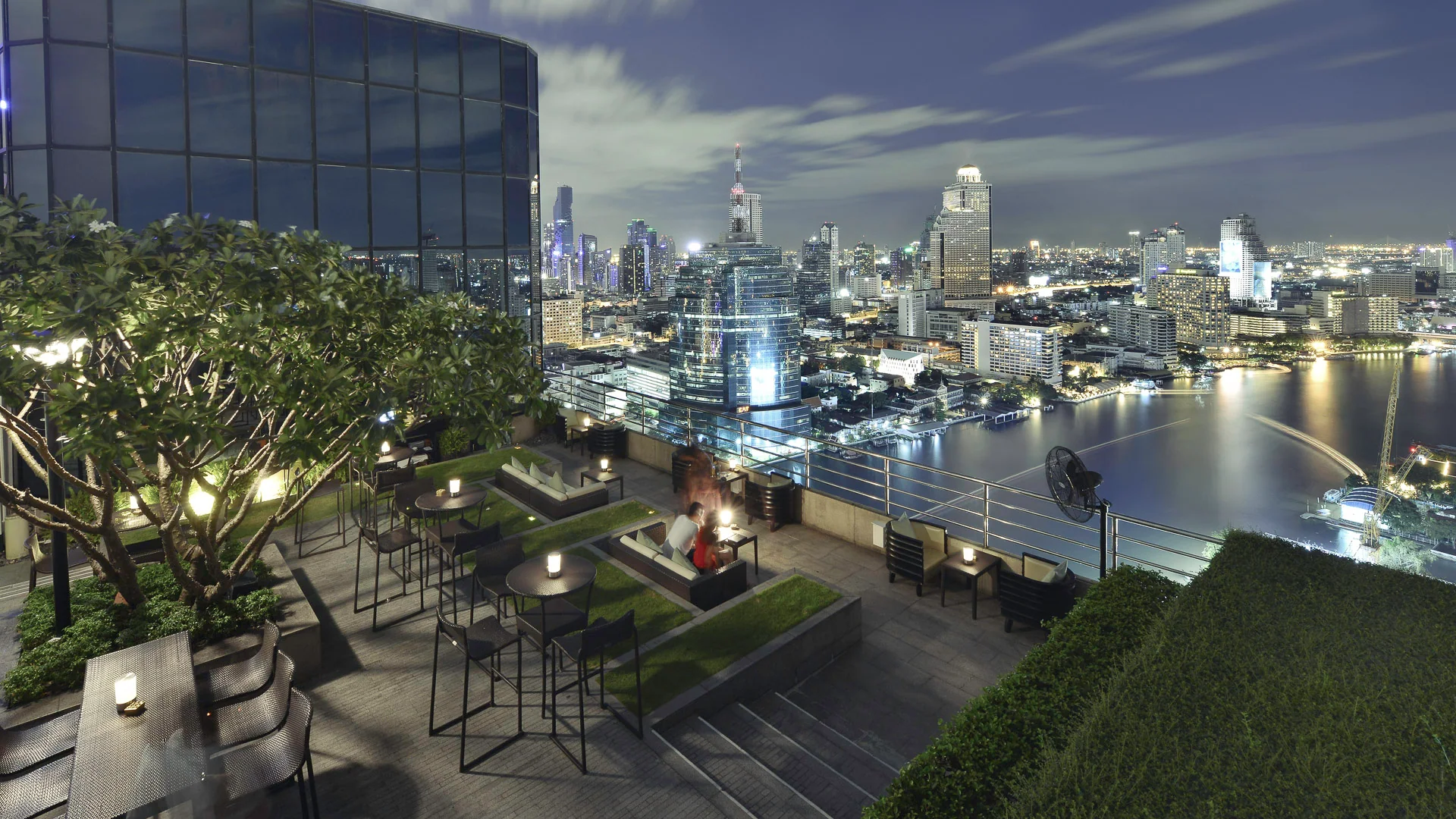
City skylines are drastically changing, architects agree. There’s a new amenity at the top of residents’ wish list: The rooftop is now the favorite spot on the building. So, what do architects need to know about incorporating these hot new amenities into their multi-family projects?

Roughly 35 percent of city rooftops have usable roof decks, and many of your clients (developers and others) are taking notice of that. Most are not building amenities on the ground floor, to a certain extent, because these amenities are proving more valuable on the roof!

This is not a short-term fad or trend. The democratization of rooftops is here to stay, and will drive profound changes in the way that architects conceptualize and design commercial and residential buildings for those people live,work, and play in them.

But allowing tenants of 2nd floor units to have penthouse views isn’t as easy as it sounds. There are many factors that need to be to considered. So, your clients are expecting you to incorporate rooftop amenities in your future architectural projects: here are the top 6 factors architects must consider when incorporating rooftop amenities in their projects.

1. THE ROOF

Whether your building is an existing structure or a new one, chances are that the roof was or will be designed pursuant to building codes, and can support snow and other typical loads that a roof must be designed for; however, a rooftop amenity can bring a new dimension of loads that must be taken into consideration.

Roof load capacity is one of them. The general layout of the roof, member sizes, and materials will impact the load capacity of a roof, but ultimately you want to use engineering mechanics to calculate the roof load capacity. This is why it is important to rely on your structural engineer in coordination with your landscape architect to understand and guide you to a successful outcome and result. The range of load added by rooftop amenities varies greatly from under 30 pounds per square foot (psf) for a lightweight green roof to over 300 psf for a fully landscaped roof garden or rooftop poo. The strength of the roof structure will have to increase greatly for heavier and more complex rooftop amenity loads, which brings forth our next consideration.

2. THE SUPPORT

HVAC RTUs, solar panels, rooftop gardens, or swimming pools can entail some pretty heavy loads for the average roof. Enhancements such as a lightweight timber deck or a shallow roof garden may not require much additional support and may even be feasible on some existing roofs without additional reinforcement. But if the existing roof lacks reserve capacity or if lightweight features do not meet project needs, reinforcement of the existing roof can be explored; some strengthening can be done on the top of the roof deck, for instance. There are many support solutions for rooftops, and ultimately the scope of the project will define how much support is needed.

Good design should consider both the efficiency of the structural strengthening and its impact on project budgets, interior finishes, building utilities, and the tenants occupying the floor below the roof. Alternative designs and building materials can make for lighter loads. Options like limiting the number or area of plant containers or concrete/wood pavers, and the use of lightweight structural soil for planters on garden decks, are some ways to reduce the need for heavy support and increase the ROI of a rooftop amenity.


3. THE DESIGN

The two most important considerations in design and construction are safety and functional aesthetics. As all other amenities, a rooftop one is an extension of the building that happens to be outside and above, and therefore, it is connected to the architecture of the building. It is important to partner with the right landscape architecture firm early on in the design process. Your architectural design should be enhanced by the design of the landscape architecture; the living experience should transition smoothly from inside to outside, and maintain the essence of the architectural design.

For this reason, you want to consider the design of the rooftop amenity right from the beginning. Experienced landscape architects will guide you through the hard questions early on, allowing you to be realistic about the design. Can your design and budget withstand the load of a desired rooftop amenity?

It’s definitively best to find out and test in the initial design stages, and avoid limitations or obstacles later on.

Keep reading · Chapter 04

Who does what, and when?